Quick Guide to Japan's Shinkansen! Route Planning + Seat Selection & Ticketing Tips + Riding Tricks
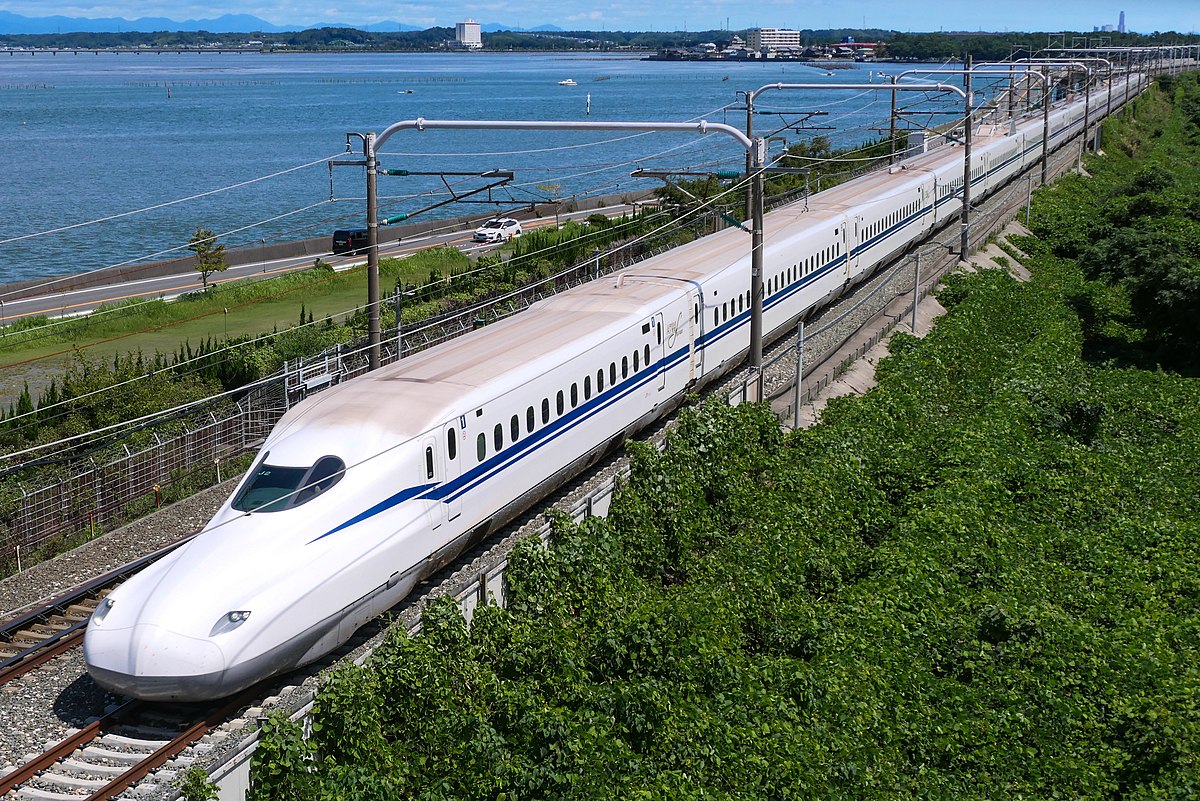
For first-time independent travelers to Japan, Japan's convenient yet complex transportation system can be confusing. The efficient and comfortable Shinkansen (bullet train) system, in particular, offers fast travel across the country from north to south, but the diverse routes, ticket types, and carriage types can be confusing.
What is Japan's Shinkansen? / Quick Overview of Routes and Car Types
Shinkansen is the general name for Japan's high-speed rail system, connecting major cities such as Tokyo, Osaka, Kyoto, Fukuoka, Hokkaido, and Kanazawa. It is the preferred choice for Japanese and tourists traveling medium and long distances. There are currently 10 main lines throughout Japan, each with different stops and trains.
The main Shinkansen lines are as follows:
What do the names of Shinkansen trains actually mean?
In the Shinkansen system, different train names represent different speeds, number of stops, and operating rules. Below is a comparison chart of common train types.
Important Note:
Passengers using the JR Pass (Japan Rail Pass) are not eligible to ride the Nozomi and Mizuho trains.
While these two trains are the fastest, they are designed for business commuters and are not eligible for the JR Pass. We recommend taking alternative trains such as the Hikari, Sakura, or Kodama trains on the same route. These only take a few minutes longer and are much more economical!
Ticket Purchasing Guide | How to Buy Tickets? Two Easy Steps!
A Shinkansen ticket in Japan = a ticket + a limited express ticket
The ticket you buy is actually a combination of two parts:
Ticket Purchase Methods: (Japan Shinkansen.net)
Japan Shinkansen offers the most convenient online Shinkansen ticket purchase service for international travelers and expats residing in Japan. The purchase process is simple and efficient: After selecting your departure station, destination, and travel date online, you'll receive a QR code e-ticket via email. This QR code can be exchanged for a physical ticket at designated kiosks or ticket counters at Tokyo Station. This method effectively avoids language barriers and long ticket counter lines. The platform supports multiple languages and offers telephone customer service, making it an ideal choice for first-time visitors to Japan.
How do I choose my seat type? / Unreserved vs. Reserved vs. Green Car
Note: Gran Class is only available on the following train configurations: Tohoku-Hokkaido Shinkansen (E5 and H5 series), Hokuriku Shinkansen (E7 and W7 series), and Joetsu Shinkansen (E7 series).
Bringing large luggage on the Shinkansen? Be aware of these rules!
If you have a large suitcase (over 160cm on all three sides combined), please be aware of the following when traveling on the Tokaido, Sanyo, or Kyushu Shinkansen lines:
Do I need a reservation?
How to Make a Reservation?
When purchasing tickets online, simply select the "Oversized Luggage Seat" option.
Important Reminders:
- If you bring oversized luggage without a reservation, you may be fined 1,000 JPY or even denied boarding.
- Starting July 2026, some trains will introduce dedicated luggage storage areas, but availability depends on the specific train. Reserving in advance is still recommended!
Shinkansen Travel Tips
✔ Free Wi-Fi: Most modern trains (e.g., N700S, E5 series) offer wireless networks. Connect to “Shinkansen Free Wi-Fi” and complete a simple registration to use.
※ Some older trains may not provide this service.
✔ Power Outlets: Green Car/Gran Class seats always have outlets. Standard cars may vary by train model. Outlets are typically under the seat, in front, or by the window.
✔ Best Mount Fuji Viewing Seats:
・Tokyo → Osaka: Choose Seat E (right window side).
・Osaka → Tokyo: Choose Seat D (right window side).
※ Best visibility between Shin-Yokohama and Shizuoka on clear days!
✔ Onboard Food Carts: Some trains offer snacks, drinks, and ice cream. Have cash or an IC card (e.g., Suica/Pasmo) ready.
✔ Arrive Early: Though Shinkansen is punctual, arrive 15-20 minutes early to find your platform, buy bento boxes, or handle unexpected issues.
Q&A
Q1: Can I use the JR Pass to ride the fastest "Nozomi" train?
A1: No. The JR Pass does not cover "Nozomi" or "Mizuho" trains. Instead, take "Hikari," "Sakura," or "Kodama" trains. They reach the same destinations but may take slightly longer.
Q2: What if I miss my reserved Shinkansen?
A2: You can use the same ticket to ride the Non-Reserved seats on the same route that day. For Reserved seats, visit a ticket counter or machine to change (usually one free change allowed; additional changes may incur fees).
Q3: How to buy tickets for children?
A3: Children under 6 can ride for free without a seat if accompanied by an adult. Ages 6-11 require a child ticket. If a child under 6 needs a seat (e.g., Reserved seat), a child ticket is required. Ages 12+ require adult tickets.
Q4: Will language be a problem when buying tickets?
A4: Not significantly. Most station staff know basic English. To be safe, screenshot your destination name or use a translation app.
Q5: Are Shinkansen, subways, and JR lines connected?
A5: Some stations are integrated, but most require transfer within the station. For example, Tokyo Station has Shinkansen, JR, and subway lines—follow signs to each area. Allow 5-10 minutes for transfers.
Q6: Can I buy Shinkansen tickets on the same day?
A6: Yes, but during peak hours (e.g., rush hours or holidays), Reserved seats may sell out. You can use Non-Reserved seats or avoid peak times. During cherry blossom season or Golden Week, reserve days in advance.
Q7: Can I eat on the Shinkansen?
A7: Yes! Eating is allowed, and there’s even a famous "ekiben" (station bento) culture. Buy bento boxes, drinks, or snacks at the station before boarding and enjoy them with the view.
Q8: Is a rail pass worth it for traveling across Japan?
A8: Yes, if you plan to take multiple Shinkansen or long-distance JR trips. Passes like the Japan Rail Pass, Tokyo Wide Pass, or Kansai Wide Pass can be cost-effective. Sometimes even one round trip pays for itself!